

5 Eye Discharge Warning Signs in Dogs & Cats (Summer 2026)

PETTAS Editorial Team
Up-to-date pet health guidance
Yellow discharge, red eyes, squinting -- summer spikes eye infections in pets. Learn which signs need a vet within 48 hours. Free checklist included.
Contents(9)
Last updated: 2026-07-10
Noticed more goop in your pet's eyes lately? You're not imagining it -- summer is peak season for eye problems in dogs and cats, and knowing which signs need urgent care can make a real difference.
According to veterinary clinical records, conjunctivitis and related eye conditions increase noticeably during warmer months, driven by higher bacterial activity, UV exposure, and dry indoor air from air conditioning. This guide walks you through the causes, warning signs, daily care routine, and when to call your vet.
Why Summer Triggers Eye Problems in Pets
A small amount of whitish crust in the corner of your pet's eye is completely normal. What raises concern is a change in volume, color, or consistency. Here are the four main summer culprits:
1. Bacterial and fungal conjunctivitis At temperatures above 30 degrees C (86 F), bacterial growth roughly doubles. Pets with short muzzles or long facial hair are especially prone to moisture buildup around the eyes.
2. Allergic conjunctivitis Grass pollen and mold spores peak in summer. Watery eyes combined with sneezing and itching often point to an allergic response.
3. UV exposure and dry eye UV levels reflected from asphalt during summer walks can be 1.5 to 2 times higher than direct sunlight. Repeated UV exposure can damage the corneal surface and reduce tear production.
4. Indoor air-conditioner dryness When indoor humidity drops below 40%, tear film evaporates faster. Cats, especially long-haired breeds, are particularly sensitive to this kind of environmental dryness.
Warning Sign Checklist -- See a Vet Within 48 Hours If You Check Any Box
Does your dog or cat show any of these signs right now?
- Discharge is yellow, green, or dark brown
- Discharge volume increased suddenly (eye crusted shut after sleep)
- White of the eye or surrounding tissue looks red or pink
- Pet squints, keeps eye partially closed, or blinks more than usual
- Pet frequently rubs eye with paw or rubs face on floor
- Tears constantly overflow, leaving wet streaks on facial fur
- Eyeball looks cloudy, whitish, or appears larger than usual
- Only one eye is affected (suggests infection or injury)
The three most urgent red flags are: one eye only, sudden onset, and cloudy or opaque eyeball. Glaucoma and corneal ulcers can progress fast enough to cause permanent vision loss within 24 to 48 hours. When in doubt, call your vet the same day.
Eye Discharge Color Guide
| Discharge Type | Likely Cause | Urgency |
|---|---|---|
| Small amount of white/light brown crust | Normal secretion | Low -- daily care only |
| Heavy yellow-green, sticky | Bacterial conjunctivitis | High -- within 48 hours |
| Clear and watery, large volume | Allergy or dry eye | Medium -- within a few days |
| Reddish-brown, blood-tinged | Injury or uveitis | Highest -- same day |
| White-gray film over eye | Corneal damage or cataract | High -- within 48 hours |
3 Mistakes Pet Owners Make (That Make Things Worse)
Mistake 1: Using human eye drops Over-the-counter human eye drops often contain preservatives such as benzalkonium chloride, which is toxic to the feline cornea and irritating even for dogs. Always use pet-specific products.
Mistake 2: Wiping dry discharge with force Rubbing dried crust directly damages the skin and conjunctival tissue around the eye. Instead, hold a cotton pad soaked in warm water (around 38 degrees C / 100 F) against the discharge for 10 to 15 seconds to soften it first, then wipe gently in one direction from inner to outer corner.
Mistake 3: Dismissing chronic tear staining as cosmetic Reddish-brown staining under the eyes is often chalked up to breed characteristics, but it can signal chronic tear duct blockage or low-grade conjunctivitis. It is worth mentioning to your vet, even if it has been present for a long time.
Daily Eye Care Routine -- 3 Minutes, Every Day
Step 1: Visual check in natural light (30 seconds) Check both eyes every morning before feeding. Natural light lets you spot redness and discharge more clearly than indoor lighting. Make it part of your feeding routine so it becomes automatic.
Step 2: Remove discharge when present Soak a cotton pad in warm water (38 degrees C / 100 F), hold it against the discharge for 10 to 15 seconds, then wipe gently from inner corner to outer corner. Use a fresh cotton pad for each eye to avoid cross-contamination.
Step 3: Log what you see Take a quick photo of both eyes and note any changes. When you visit the vet, a dated photo log is far more useful than trying to describe "how bad it was last week." A pet health app makes this easy to keep organized.
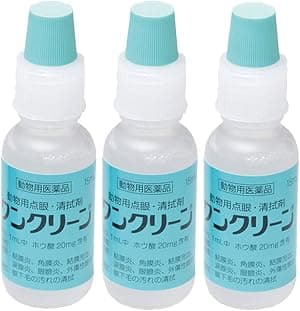
Recommended Product
Keeping a pet-safe eye wash on hand makes daily cleaning faster and safer than plain water alone.
After Summer Walks: UV and Dust Aftercare
Asphalt reflects UV rays and kicks up dust and pollen that can land directly on your pet's eyes. After every summer walk, include a quick eye check as part of your post-walk wipe-down routine.
If squinting or blinking starts shortly after returning from a grassy area, grass seeds or pollen fragments may be the cause. Gently clean around the eye with a warm damp pad. If the squinting continues for more than one to two days, schedule a vet visit.
Staying hydrated also affects eye health directly. Dehydration reduces tear production, contributing to dry eye. A 5 kg (11 lb) dog needs roughly 250 to 300 ml of water per day -- make sure clean water is available during and after walks, not just at home.
3 Actions You Can Take Today
-
Take a baseline photo of both eyes today -- Having a clear "normal" reference makes it much easier to spot changes early. Take one photo of each eye in natural light and save it dated in your phone or pet health app.
-
Switch to the warm-water-soak technique -- Get cotton pads and a clean bowl. Replace the habit of dry-wiping with the 15-second soak method described above. It only takes one or two tries to become second nature.
-
Set a monthly reminder to run through the checklist -- Add a recurring calendar alert on the 1st of each month. A quick 2-minute check can catch problems before they escalate.
FAQ
Q1. Is it normal for dogs and cats to have eye discharge every day?
A. A small amount of white or light-tan crusty buildup is a normal part of tear production. The concern begins when the volume increases noticeably, the color turns yellow or green, or the eye appears difficult to open fully.
Q2. What should I do at home while waiting for a vet appointment?
A. Use a warm, damp cotton pad to gently remove discharge and keep the area clean. Avoid applying any eye drops -- even pet-formulated ones -- without vet guidance, as some ingredients can mask symptoms or worsen an underlying condition.
Q3. How often can I use pet eye drops at home?
A. Preservative-free saline wash can generally be used once or twice daily for routine cleaning. Medicated drops must follow your vet's prescribed schedule. Overuse of any ophthalmic solution can disrupt the natural tear film.
Q4. Are cats more prone to conjunctivitis than dogs?
A. Cats have a high rate of latent feline herpesvirus (FHV-1) infection acquired during kittenhood. Stress, heat, and immune dips in summer can reactivate the virus, causing conjunctivitis often accompanied by sneezing. If you see both symptoms together, mention the possibility to your vet.
Q5. Can tear staining under the eyes be treated?
A. It depends on the root cause. Blockage of the tear duct (nasolacrimal duct obstruction) or chronic low-grade conjunctivitis can often be improved with treatment. Even when the cause is largely genetic, consistent daily cleaning can prevent the staining from worsening. A vet exam is the best starting point.
Turn Daily Eye Checks Into a Habit That Sticks
The single most effective thing you can do for your pet's eye health is consistent daily observation -- but consistency is hard without a system.
PETTAS was built to solve exactly that problem. The health timeline lets you log daily observations with photos, set reminders for monthly checks, and share records with family members or your vet in seconds. When you walk into a clinic and can show exactly what the discharge looked like three days ago, it helps your vet make a faster, more accurate diagnosis.
Start building your pet's health record today: https://pettas.tech/?utm_source=blog&utm_medium=article&utm_campaign=summer-dog-cat-eye-care-discharge-conjunctivitis-2026
References
- Japan Veterinary Medical Association (JVMA) -- Clinical trend data on seasonal increases in ocular and dermatological conditions in companion animals
- Ministry of the Environment Japan -- Animal Welfare Guidelines -- Official guidelines for pet health management and daily husbandry standards
- Merck Veterinary Manual -- Conjunctivitis in Animals -- Comprehensive veterinary reference on causes, classification, and treatment of conjunctivitis in dogs and cats
- Cornell Feline Health Center -- Eye Conditions -- Evidence-based guidance on feline herpesvirus-related conjunctivitis and dry eye
- American Animal Hospital Association (AAHA) -- Ophthalmology and Preventive Care -- Veterinary standards for routine ophthalmic assessment and owner home-care guidance
Recommended products1 picks
#ad Contains Amazon affiliate links
Ready to start managing your pet's health with PETTAS?
Medication tracking, health logs, and family sharing in one app. 14-day free trial — all features included.
All features free for 14 days — no card required
Get the latest articles by email
Weekly updates on pet health, medications, and insurance — straight to your inbox.
Share this article
Related Articles

5 Reasons Pet Eye Discharge Worsens in Humidity (2026)
2026-06-26

5 Stool Signs: Dog & Cat Health Check by Color (2026)
2026-07-07

5 Reasons Dogs & Cats Howl at Night in Summer (2026)
2026-07-05

5 Causes of Pet Constipation in Summer + Fast Relief (2026)
2026-07-03

3x Risk: Multi-Pet Infection Control in Summer (2026)
2026-07-01